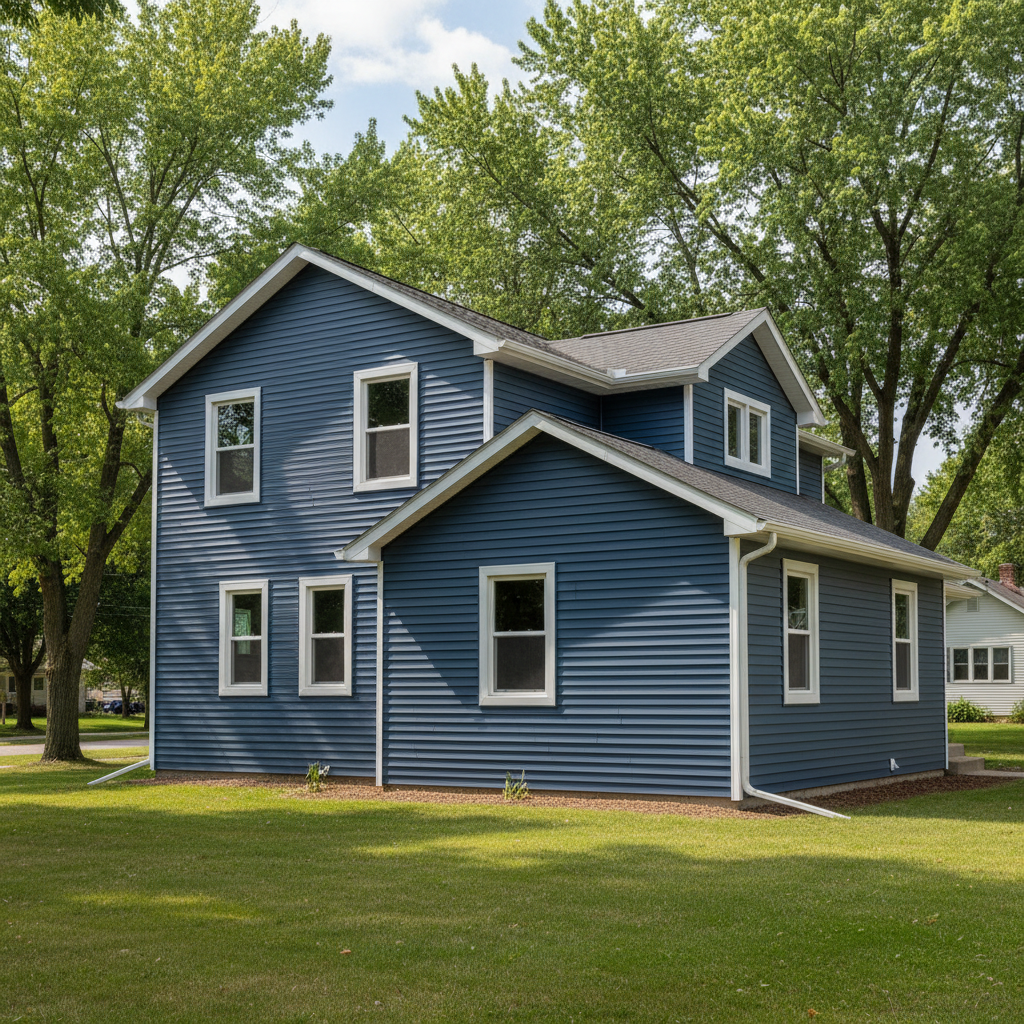
Alright, let's talk about siding removal. It's not just about ripping old stuff off your house and throwing it in a dumpster, you know. There's a lot more to it than that, and frankly, I see homeowners around Superior make some pretty common mistakes. These blunders can cost them time, money, and a whole lot of stress down the road. You're investing in new siding, so you want the whole process, start to finish, to go smoothly. Here's what you really need to watch out for.
Mistake #1: Not Planning for the Unexpected Underneath
This is a big one. A lot of folks just assume that once the old siding comes off, they'll find a perfectly sound house wrap and solid sheathing. That's a nice thought, but it's rarely the reality, especially on older homes in areas like the East End or around Central Park. We see plenty of homes built in the early 1900s. When you pull off that old aluminum or even original wood siding, you might find anything from rotted sheathing, inadequate or missing house wrap, or even structural issues that were hidden for decades. If you don't budget for potential repairs to the underlying structure, you're going to get hit with unexpected costs and delays. A good contractor, like us at Absolute Siding Co, will always include a line item for 'unforeseen repairs' or at least discuss the possibility with you upfront. If a contractor quotes you an exact price for removal without even mentioning this possibility? That's a red flag. They're either inexperienced or they're going to hit you with change orders later.
Mistake #2: Overlooking Proper Disposal and Environmental Impact
You'd be surprised how many homeowners don't think about where all that old siding is going to end up. Some contractors will just haul it to the cheapest landfill, regardless of what's allowed or if it could be recycled. With older homes, especially those with asbestos siding (which is more common than you might think in our area), proper disposal isn't just a courtesy; it's a legal requirement. Asbestos siding needs to be handled and disposed of by certified professionals. If your contractor isn't asking about the age of your siding or offering to test for asbestos if it's a concern, you need to ask more questions. Improper disposal can lead to hefty fines for both you and the contractor, not to mention environmental and health risks. Always ask about their disposal plan and make sure it complies with local regulations. Don't just assume they'll do it right.
Mistake #3: Choosing the Cheapest Bid Without Asking Why
Look, I get it. Everyone wants to save a buck. But when it comes to something as critical as your home's exterior, the cheapest bid is often the most expensive in the long run. When you're comparing quotes for siding removal, don't just look at the bottom line. Ask why one bid is significantly lower than others. Are they cutting corners on labor? Are they skipping proper prep work? Are they planning to just throw the old siding in your yard waste bin? A reputable contractor will have fair pricing that reflects proper insurance, skilled labor, quality equipment, and correct disposal. If a price seems too good to be true, it probably is. You're not just paying for someone to pull nails; you're paying for expertise, efficiency, and the confidence that the job is done right and safely.
Mistake #4: Not Protecting Your Property During Removal
Siding removal is messy. There's dust, debris, old nails, and pieces of material flying around. If your contractor isn't taking steps to protect your landscaping, driveways, windows, and even your neighbors' property, you're setting yourself up for damage. I've seen contractors leave old nails all over a driveway, leading to flat tires. I've seen bushes crushed and flowerbeds ruined. Before any work starts, talk to your contractor about their protection plan. Will they use tarps? Will they have a dedicated clean-up crew? How often will they clean up the site? A professional crew will treat your property with respect, ensuring that the only thing that changes is your home's beautiful new exterior, not your pristine garden or car tires.
Mistake #5: Rushing the Inspection of the Exposed Sheathing
Once the old siding is off, you have a golden opportunity to inspect the bones of your house. Don't let your contractor rush through this phase. This is your chance to identify and address any moisture damage, insect infestations, or structural weaknesses before they're covered up by new siding. I always encourage homeowners to walk around with us and look at the exposed sheathing. Ask questions. Point out anything that looks suspicious. If you see dark spots, soft wood, or evidence of pests, now is the time to fix it. Covering up problems only makes them worse — much worse — down the line. We see a lot of moisture issues around window and door frames here in Superior, especially with our heavy snow and freeze-thaw cycles. Taking an extra hour or two to thoroughly inspect and repair these areas can save you thousands in future repairs.
So, when you're planning your next siding project, keep these points in mind. It's your home, your investment. Do your homework, ask the tough questions, and make sure you're working with a contractor who prioritizes quality and your peace of mind from start to finish.