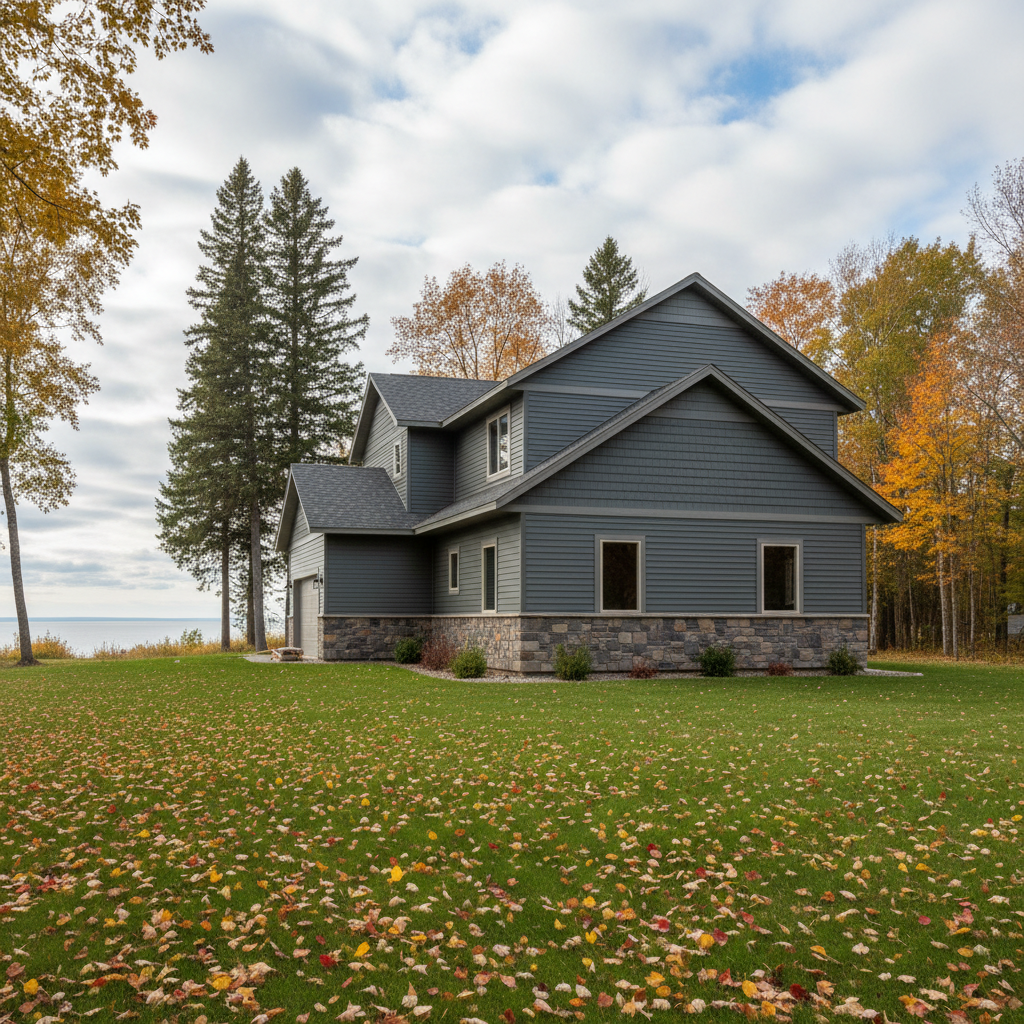
Thinking about new siding? That's a pretty big decision for your home, no doubt. But here in Superior, it's not just about picking a color you like; it’s really about picking the right time to do the job. Our weather up here at the head of the lakes is, well, unique, and it makes a huge difference when it comes to siding work.
So, When's the Best Time to Get Siding Installed?
Honestly, the "best" time really depends on what we're putting up and the current state of your house. But generally, I tell folks to shoot for late spring, summer, or early fall. That's when our weather is most predictable, and consistent weather means a smoother, more efficient job for us — and less hassle for you.
Spring, once the snow's finally gone and the ground thaws out, is a fantastic window. You skip the real heat of summer, and we can often get things wrapped up before the fall rush. The ground's usually still a bit damp, which can be a minor annoyance for staging materials, but it's totally manageable.
Summer is absolutely prime time, no question. Long daylight hours, generally warmer temperatures. We can really fly through a job when the sun's out and it’s not too humid. The only catch? Everyone else wants their siding done then too, so scheduling can get pretty tight. If you're eyeing a summer install, you'll definitely want to get on our books at Absolute Siding Co way ahead of time.
Early fall is another sweet spot. The air's crisp, most of the bugs have packed up, and you still have plenty of daylight. Plus, getting new siding on before winter hits is always a smart move. It seals up your house nice and tight for the cold months ahead. Once we start pushing into late October and November, though, things get a lot trickier.
How Does Our Weather Actually Affect Siding Work?
Our local climate dictates a lot of what we do. It's not just about keeping my crew comfortable; it's about the materials themselves and making sure the install is top-notch.
- Temperature: This is a huge factor. Vinyl siding, for instance, expands and contracts quite a bit with temperature swings. If we put it up on a super cold day, it'll expand in the summer and buckle. If we install it on a scorching hot day, it'll shrink in the winter and pull apart. We need to leave just the right amount of play for movement, and that's much easier to judge in moderate temperatures. Fiber cement, like James Hardie, is more stable, but extreme cold can make it brittle and harder to cut safely.
- Moisture: Rain, snow, heavy dew — none of it is good for siding installation. We simply can't install over wet sheathing or insulation. That just traps moisture, leading to rot or mold down the line. We also don't want water getting behind your new siding during the install process. So, if it's raining, we're not working on your exterior walls. We might be able to tackle other parts of the house, but the main siding panels need dry conditions, period.
- Wind: Superior gets some serious wind, especially near the lake. Trying to hang long pieces of siding in high winds is dangerous for my crew and can easily damage the material. We'll often have to pause or reschedule if the gusts are too strong.
- Ice and Snow: Obviously, we're not installing siding in a blizzard. But even after a light snow, if there's ice on the ground or roof, it's a safety hazard. Plus, working with cold, stiff materials and frozen fingers isn't exactly ideal for precision, is it?
So, while we're tough up here, we're not stupid. We always put safety and a quality install first, and sometimes that means waiting for the weather to cooperate.
Protecting Your Siding Investment Year-Round
Once your new siding is up, you want it to last, right? Here's what you can do:
- Keep it Clean: A simple wash with a garden hose and a soft brush once a year can do wonders. You'd be surprised how much dirt, dust, and even algae can build up, especially on the north-facing sides of homes in places like the Billings Park or East End neighborhoods where it stays shadier. For tougher spots, a mild detergent and water usually does the trick. Just make sure to rinse thoroughly.
- Trim Landscaping: Keep bushes, trees, and vines trimmed back away from your siding. They can trap moisture against the house, scratch the surface, and provide easy pathways for insects. Give your siding some breathing room.
- Check Your Gutters: Make sure your gutters are clean and draining properly. Overflowing gutters can send water cascading down your siding, leading to streaks, staining, and even moisture intrusion if there are any tiny gaps.
- Inspect Annually: Take a walk around your house once a year, preferably in the spring or fall. Look for any loose panels, cracks, or signs of damage. If you see something, address it sooner rather than later. A small issue caught early is a lot cheaper and easier to fix than a big one that's been neglected.
- Watch for Critters: Birds, squirrels, and even insects can try to make homes behind or in your siding. Keep an eye out for nests or holes and deal with them promptly to prevent bigger problems.
Your siding is your home's first line of defense against our harsh Superior weather. Taking a little time to maintain it will pay off big time in the long run. If you ever have questions or spot something that doesn't look right, don't hesitate to give us a call at Absolute Siding Co. We're always here to help our neighbors.